
How a Manufacturing Company Can Stand Out in the Digital Revolution


The digital revolution is in full swing, and manufacturing companies are no exception. Whereas in the past, a good product and word-of-mouth were enough, today it’s essential to also be visible and stand out online. In this article, we explore the key strategies for manufacturing companies to strengthen their position through website optimization, modern marketing, and smart search visibility.
1. The Website as a Digital Storefront
An outdated or unclear website can be a major barrier for potential customers. For manufacturing companies, the website must be more than just a business card. Consider:
- Professional design that aligns with the brand and the industry.
- Responsive design, so the site works well on mobile devices and tablets.
- Clear navigation and contact options.
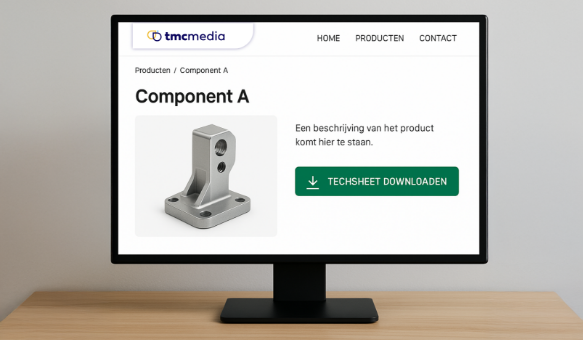
- Product information and case studies, such as product applications, customer stories, and technical documentation.
- Multilingualism, especially if you operate internationally.
You might also want to consider using a CMS like WordPress or a no-code platform like Vev to make changes easily without any technical knowledge.
2. Content Marketing That Works
A strong online presence requires more than just a nice website. Content marketing helps you build authority within your niche. Consider:
- Blog posts about technological developments, production processes, sustainability, or innovations in your industry.
- White papers or manuals for a technical audience.
- Videos of production lines, interviews with engineers, or behind-the-scenes content.
- Newsletters for existing customers and partners.
Make sure the content addresses the questions and interests of your target audience, and optimize it for relevant keywords.
3. Smart SEO and Local Visibility
Many customers start their search online. That’s why it’s essential that your website is easy to find through search engines. Here are some important SEO tips for manufacturing companies:
- Use keywords that your customers use, such as “custom CNC milling” or “industrial packaging solutions.”
- Optimize your page titles and meta descriptions.
- Ensure fast loading times and technically sound construction.
- Collect reviews and listings on platforms such as Google My Business, especially if you also operate locally.
- Improve your internal link structure so that both users and search engines can better understand your site.
4. Online Marketing That Works for the Industry
In addition to organic search visibility, it’s a good idea to invest in paid marketing. Consider:
- LinkedIn campaigns targeting buyers or engineers.
- Google Ads targeting niche keywords with high purchase intent.
- Remarketing to visitors who have previously viewed your website.
- Marketing Automation to nurture leads through email flows.
The goal is to remain relevant during the exploration phase for potential customers.
5. Writing for AI Search: Think in Terms of Questions and Answers
While traditional SEO focuses on individual keywords, AI Search is increasingly based on complete questions and conversation. More and more often, people aren’t searching for “hydraulic pump specifications,” but are asking questions like:
“Which hydraulic pump is suitable for high pressure in a food-safe environment?”
AI systems (such as ChatGPT, Google SGE, or Perplexity) then extract the answer from content that accurately recognizes the question and answers it directly. This presents a huge opportunity for manufacturing companies.
How do you write for AI Search?
- Write content in the form of questions and answers, just like in an FAQ or knowledge base.
- Use headings such as: "What are the applications for product X?" or "What are the advantages of stainless steel over aluminum?"
- Next, provide a clear, concise, and factual answer, followed by a detailed explanation.
- Incorporate relevant keywords naturally into the answer.
- Add structure using bullet points, tables, or case studies that AI can easily “summarize.” While traditional SEO focuses on individual keywords, AI Search is increasingly based on complete questions and conversation. More and more often, people aren’t searching for “hydraulic pump specifications,” but are asking questions like:
“Which hydraulic pump is suitable for high pressure in a food-safe environment?” - AI systems (such as ChatGPT, Google SGE, or Perplexity) then extract the answer from content that accurately recognizes the question and answers it directly. This presents a huge opportunity for manufacturing companies.
6. Data and Analysis as the Foundation for Growth
What works and what doesn't? By using tools such as Google Analytics, Leadinfo, or LinkedIn Insights, you can gain insight into:
- Where visitors come from.
- Which pages they view.
- Which companies visit your website.
- How well your ads convert.
Use these insights to continuously improve your strategy and make more targeted investments.
In Conclusion
In an era of rapid digital transformation, online visibility offers manufacturing companies an opportunity to stand out. With a well-designed website, valuable content, and a smart marketing approach, you can not only make an impression but also build lasting customer relationships. Start small, measure what works, and scale up step by step.
Would you like help optimizing your digital strategy? Feel free to contact an industrial marketing specialist or start with an SEO audit of your current website.
Relevant blogs


























!.png)































Interested in digital growth for your industry?
Strengthen your online presence and expand your market reach with TMC Media. We combine strategic thinking with innovative creativity to deliver measurable results. From conversion-focused websites to targeted online marketing campaigns—we’re your digital growth partner.
Contact us for a no-obligation consultation
