
Should You Stop Using Traditional SEA Because of AI Overviews?


The introduction of Google’s AI Overviews is changing the rules of the game when it comes to search engine use. Whereas searchers used to click on ads or organic results, they are now increasingly getting direct answers from Google’s AI. This development raises questions: Does investing in traditional Search Engine Advertising (SEA) still make sense? Or is it time to go all in on AI?
From a practical perspective: What have we observed?
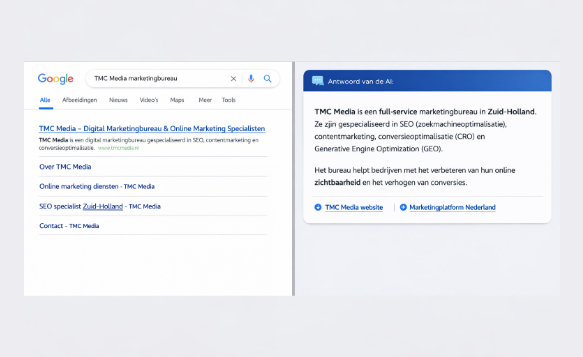
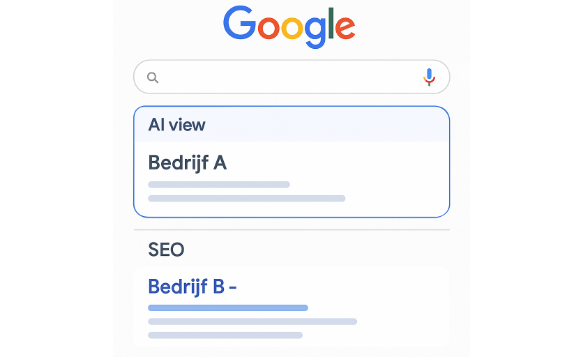
As a content and marketing agency, we’re right in the middle of this shift. We’re seeing that AI Overviews—the automatic summaries at the top of search results—provide users with answers more quickly. That sounds convenient for users, but it has consequences for advertisers. Click-through rates on traditional ads are declining, and some campaigns are underperforming, simply because users see the answer before they even click on anything.
But the story doesn't end there.
These AI features also present opportunities. They force us to create content that directly addresses the user’s search intent. Anyone who succeeds in becoming part of an AI Overview with valuable content will greatly increase their brand visibility—without incurring additional advertising costs.
From a professional perspective: what do the numbers say?
According to recent studies, an AI Overview appears in about 47% of searches in the U.S. In many cases, these overviews take up a large portion of the screen, causing traditional ads to literally fade into the background.
In addition, we’re seeing a shift in search behavior. Younger audiences, in particular, are increasingly turning to AI tools or social media platforms like TikTok instead of Google. This means that, as an advertiser, you need to focus not only on SEA and SEO, but also on content that works well in these new formats.
An emerging field in this context is Generative Engine Optimization (GEO)—optimizing content so that it is picked up by AI and displayed in overviews. This requires different writing and structuring techniques than traditional SEO, but it can strengthen your brand’s position in the AI era.
Our advice: combine the best of both worlds
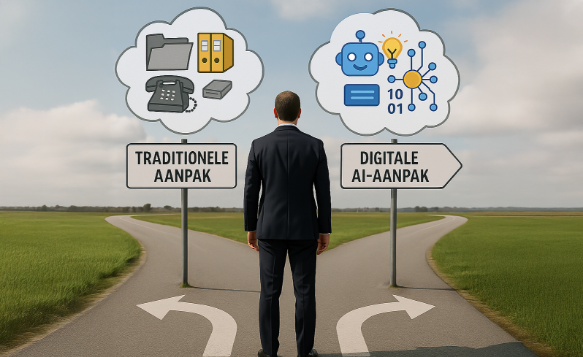
Should we stop using traditional SEA? No. But should we just keep blindly relying on old strategies? No, not that either.
We recommend a hybrid approach:
• Continue to use SEA, but take a critical look at the role of keywords in campaigns that are often managed by AI. Optimize your copy, targeting, and bidding strategies.
• Invest in content that AI can understand. Think of clear, factual, and well-structured content that directly answers specific questions.
• Closely monitor the development of AI Overviews. Use data to determine which search queries still yield a return on investment through SEA and where you should focus more on organic or AI-inclusive strategies.
• Diversify your channels. Consider video, social media content, and thought leadership on niche platforms where AI does not yet play a dominant role.
In conclusion
The rise of AI Overviews is no cause for panic, but it is a call to action. By strategically broadening your approach—from traditional ads to AI-optimized content—you can ensure your brand remains visible in an ever-changing search landscape.
Would you like to know how your content can better adapt to AI and new search behaviors? Contact us. We’d be happy to help you figure it out.
Relevant blogs

















!.png)



























Interested in digital growth for your industry?
Strengthen your online presence and expand your market reach with TMC Media. We combine strategic thinking with innovative creativity to deliver measurable results. From conversion-focused websites to targeted online marketing campaigns—we’re your digital growth partner.
Contact us for a no-obligation consultation
