
AI in the manufacturing industry is no magic wand


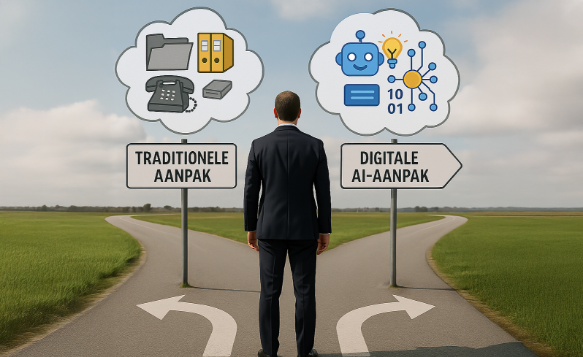
The manufacturing industry stands at the crossroads of innovation and tradition. Artificial intelligence (AI) is often presented as a revolutionary force that boosts efficiency and reduces costs, but the reality is more nuanced. AI is not a magic wand that automatically leads to FTE reductions and productivity gains. On the contrary, implementing AI requires a thoughtful approach, with a focus on supporting existing processes and creating a phased learning path.
The Reality of AI in the Manufacturing Industry
Many companies in the manufacturing industry rely on human craftsmanship and interaction. AI is often positioned as a means to replace workers and fully automate processes. In practice, however, the promises of drastic cost savings and increased efficiency often fail to materialize. This is because many manufacturing processes are complex, variable, and heavily dependent on human expertise.
Focus on Support Processes
We advise companies not to implement AI directly in primary production processes, but to start with supporting processes. Examples include:
- AI can help monitor machines and predict malfunctions before they occur, thereby reducing downtime.
- Image recognition technology can detect defects that are difficult for the human eye to see.
- AI can identify patterns in inventory levels and help optimize the supply chain.
By first implementing AI in these support processes, the organization can gain experience with the technology and learn how to make the best use of it.
Phased transition to primary processes
After successful implementation in support processes, AI can be gradually introduced into core processes, for example:
- AI can help analyze production data to identify inefficiencies.
- Smart robots can take over routine tasks, while human operators focus on more complex tasks.
This step-by-step approach helps prevent failures and unnecessary investments.
The Future: AI Agents and Integrated Systems
The next step in this evolution is the use of AI agents: intelligent systems that make decisions and coordinate processes independently. While traditional AI tools focus on specific tasks, AI agents can integrate and dynamically optimize multiple processes.
Here, too, our advice is to start small. Begin by using AI agents in administrative or support roles, such as order processing or predictive analytics. Only once the technology has proven effective should it be expanded to production-related applications.
A Practical and Realistic AI Strategy
The implementation of AI in the manufacturing industry should not be a leap of faith, but rather a controlled and iterative process. By starting with support processes and scaling up step by step, companies can manage realistic expectations and prevent disappointment. A well-thought-out AI strategy ensures sustainable innovation and a competitive advantage, without losing sight of the human factor.
Would you like more information about this within the company? Please contact us through our contact page.
Relevant blogs





!.png)


































Interested in digital growth for your industry?
Strengthen your online presence and expand your market reach with TMC Media. We combine strategic thinking with innovative creativity to deliver measurable results. From conversion-focused websites to targeted online marketing campaigns—we’re your digital growth partner.
Contact us for a no-obligation consultation
