
OpenAI Is Testing and Rolling Out Ads in 2026: What Does This Mean for the Future of AI?


Is AI Maturing Through Advertising?
OpenAI, known for advanced language models such as ChatGPT, took a new step in 2026: testing and rolling out ads within its AI platform. This development has caught the attention of both tech enthusiasts and marketers. So what does this mean in practice? And why would an AI company opt for an advertising model?
In this article, we’ll explore the impact of this shift, examine what it means for users and businesses, and take a look at the future of AI and advertising.
Why is OpenAI focusing on advertising?
The move toward advertising is no coincidence. Major tech companies such as Google and Meta have built their platforms around advertising revenue. OpenAI is now following a similar path, but within the context of generative AI. The reason is clear: scalable revenue models are needed to continue funding the enormous computing power, innovation, and development of AI systems.
In addition, AI-powered advertising offers a unique opportunity: hyper-targeted, contextual ads based on real-time interaction. This development could surpass traditional search ads in terms of effectiveness and relevance.
What will change for users?
Users of ChatGPT and other OpenAI tools are likely to encounter ads during or after conversations. These may include recommendations, sponsored prompts, or contextual banners. OpenAI emphasizes transparency in this regard: ads are clearly labeled, with options to provide feedback or disable them in paid versions.
Although some view this move with skepticism, others see it as a logical evolution. AI tools have largely been available for free, and ads can help maintain that accessibility.
OpenAI Ads: An Opportunity for Businesses
For entrepreneurs and marketers, this news presents opportunities. Advertising using AI models means:
- Real-time context: ads based on what the user is currently asking about or discussing.
- Hyper-personalization: Thanks to AI analysis, the ad can be tailored precisely to the user's search intent.
- New ad formats: think of sponsored AI answers or AI-generated product recommendations.
Advertising through OpenAI could therefore become a valuable new channel within digital marketing strategies.
What questions have arisen regarding this development?
As with any innovation, this step also raises questions:
- Is my data used for advertising?
OpenAI states that privacy remains a priority. User data is not shared with advertisers without good reason. - Can I turn off ads?
This option is likely available in the paid versions of ChatGPT and related tools. - How reliable are AI-generated answers that include ads?
Transparency is essential. Users should always know whether an answer has been influenced by sponsorship.
What does this mean for the future of AI and marketing?
The introduction of ads within AI tools such as ChatGPT marks an important milestone. It confirms that AI is not only a technological marvel but also a mature platform for commercial applications. Marketers must prepare for a new era in which AI not only generates content but also shapes advertising experiences.
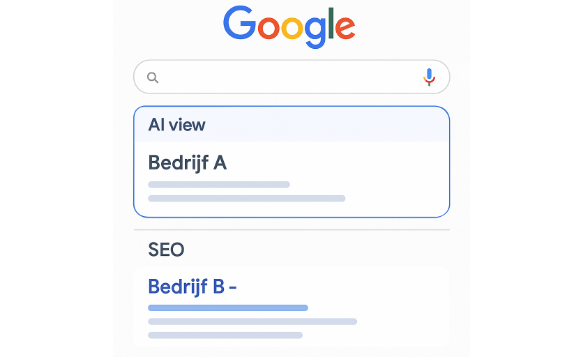
For businesses, this means that “advertising on AI” could soon be just as common as advertising on Google or social media.
Conclusion: From Language Model to Media Platform
The rollout of OpenAI ads in 2026 is more than just a business decision. It’s a strategic move that demonstrates how AI is evolving from a tool to a platform. For users, it means a new experience. For businesses, it offers new opportunities to gain visibility in a space where interaction is key.
Curious about how your brand can be visible in AI environments? Contact us so we can help you become a market leader in the field of AI.
Relevant blogs






























Interested in digital growth for your industry?
Strengthen your online presence and expand your market reach with TMC Media. We combine strategic thinking with innovative creativity to deliver measurable results. From conversion-focused websites to targeted online marketing campaigns—we’re your digital growth partner.
Contact us for a no-obligation consultation
