
SEO vs. AI Search: What Are the Differences?


SEO vs. AI Search: What Are the Differences—and How Can You Adapt?
Theworld of online visibility is constantly evolving. While traditional SEO has revolved around keywords, backlinks, and optimization for Google’s algorithms for years, we’re now seeing a shift toward AI search. Think of tools like ChatGPT, Perplexity, or Google’s Search Generative Experience (SGE). But what does this mean for your content strategy? What stays the same—and what’s changing fundamentally?
At TMC, we delve into these developments every day, because we believe that future-proof digital strategies start with knowledge of today and insight into tomorrow.
What exactly is AI search?
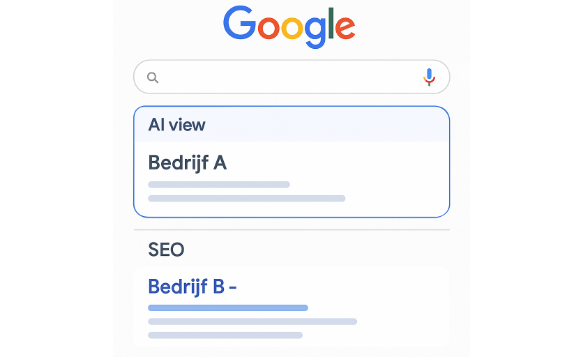
AIsearch differs from traditional search engines in several ways:
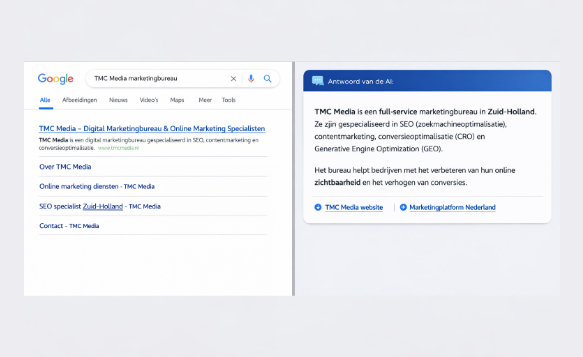
- Instead of a list of blue links, you'll get direct answers to your question.
- The results are often generated based on multiple sources at the same time.
- AI models interpret your question semantically, rather than based purely on keywords.
- The goal of AI search? Not to find a page—but to answer your question right away.
What will stay the same?
Although technology is changing, some SEO principles remain the same:
- Informative, valuable content is still king
AI models draw on reliable, well-structured information. Websites that offer in-depth, relevant content therefore still have an edge.
- Authority and reliability are crucial
Just like Google, AI also looks at the source: who are you, how often are you referenced, and is your content up to date?
- Structure matters
Clear headings, proper use of H1–H3 tags, bullet points, and a logical structure help both search engines and AI understand and display your content.
What's changing?
Still, there are also a number of important changes taking place:
- From Keywords to Intent
AI is getting better and better at understanding why someone is searching for something. That means your content needs to respond to context and underlying questions—not just exact terms.
- Fewer clicks and more direct responses
In AI search results, your content isn't always displayed as a link. So you can be visible without people actually visiting your site. The challenge: delivering value and still making your brand stand out.
- Conversational SEO is on the rise
Answers are more often presented in natural language. Content that is clear, human-like, and to the point performs better in AI environments.
Source attribution (often) limited
AI tools don't always clearly indicate where they get their information from. That makes it harder to trace traffic. This makes it all the more important to be recognizable and distinctive in tone, style, and content.
What does this mean for your content strategy?
At TMCmedia, we don’t believe in abandoning SEO—we believe in expanding it. The future calls for a hybrid approach, in which your content both ranks well in search engines and is useful for AI systems.
Here are a few practical tips:
Write for people, optimize for machines.
Think about the questions your target audience has and answer them clearly and concisely.
Build authority within a specific niche.
Keep your content up-to-date and relevant.
Make sure your brand is recognizable, even if there isn't a link to your website.
Conclusion
SEO and AI search aren’t competitors, but two sides of the same coin. While SEO ensures discoverability within search engines, AI search helps you be visible in tomorrow’s answers. The challenge? Don’t get caught up in every trend, but strategically build content that continues to perform on any platform.
Relevant blogs

















!.png)


































Interested in digital growth for your industry?
Strengthen your online presence and expand your market reach with TMC Media. We combine strategic thinking with innovative creativity to deliver measurable results. From conversion-focused websites to targeted online marketing campaigns—we’re your digital growth partner.
Contact us for a no-obligation consultation
