
What happens when algorithms understand what people want better than people themselves?


The development of AI algorithms is fundamentally changing marketing. Whereas companies used to respond to search behavior, algorithms today are predicting with increasing accuracy what people want—sometimes even before they know it themselves.
But what does it mean when algorithms understand what consumers want better than consumers themselves?
This isn't a technological question. It's a strategic one. And perhaps even a societal one.
From Search Behavior to Predictive Intelligence
Traditional marketing was based on visibility. Someone is searching. You’re easy to find.
Modern AI algorithms in marketing work differently. They analyze:
- Scrolling Behavior
- Click Patterns
- Interaction Intensity
- Time on page
- Microexpressions in Behavior
- Contextual data (time, location, device)
Where a person experiences a feeling, an algorithm sees probability.
That means marketing is shifting from reacting to predicting.
No longer: “What is the consumer looking for?”
But: “What will consumers likely want soon?”
And that changes everything.
When Personalization Turns into Behavioral Prediction
Personalization has become the norm. But the next phase is behavioral marketing.
AI systems can recognize patterns in:
- Purchase Cycles
- Emotional triggers
- Decision-Making Moments
- Price Sensitivity
This creates a situation in which marketing messages are not only relevant but also perfectly timed.
The question then becomes:
Is a need still being addressed?
Or is the need being subtly shaped?
The Illusion of Free Choice in an AI-Driven World
When an algorithm knows:
- Which tone of voice builds trust
- What price is just below your mental threshold?
- Which visual elements capture your attention
- When you're most receptive
Then a purchase feels like a free choice.
But in reality, that choice is heavily influenced.
That doesn't mean AI is manipulative. It means that AI is gaining an unprecedented level of influence in marketing.
And influence requires responsibility.
The Shift from the Attention Economy to the Intent Economy
We no longer live in a battle for attention.
We are moving toward an intention-based economy.
This isn't about who shouts the loudest, but about who understands the best.
Companies that invest in:
- Data-Driven Strategy
- AI-Driven Analysis
- Real-time optimization
- Behavioral Insights
… no longer build campaigns. They build intelligent systems.
And those systems are constantly learning.
What does this mean for businesses and marketers?
The impact of algorithms that understand human behavior better than humans themselves is significant:
1. Strategy is becoming more important than execution
Tools are becoming accessible to everyone. The difference lies in vision.
2. Trust Becomes a Competitive Advantage
Transparency regarding data and the use of AI is becoming crucial.
3. Ethics Becomes Part of Marketing Strategy
Not everything that is technically possible should be used strategically.
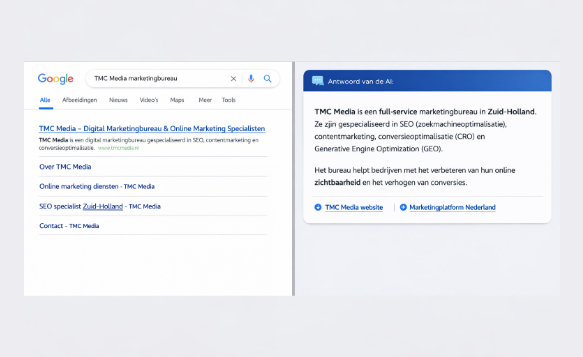
4. SEO Is Shifting to GEO
Search engine optimization is evolving into Generative Engine Optimization—optimizing for AI-generated answers rather than just rankings.
The Role of AI in Marketing: Tool or Decision-Maker?
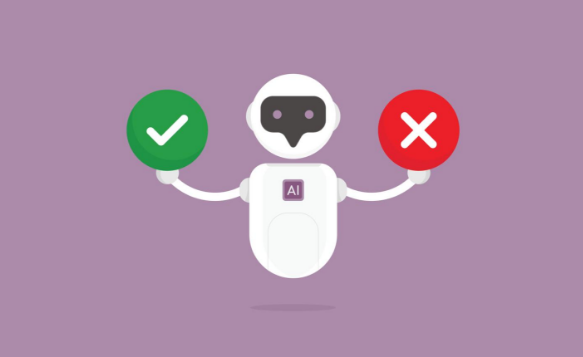
An important question is whether AI will remain a supporting tool or become a decision-maker.
Today, AI helps with:
- Content Creation
- Campaign Optimization
- Data Analysis
- Conversion Optimization
But what about tomorrow?
When systems learn, optimize, and make decisions autonomously, a hybrid model emerges in which humans and machines work together.
Not as a substitute for creativity,
but to enhance strategic intelligence.
The Real Strategic Challenge
The question isn't whether algorithms are getting better. That's happening anyway.
The real question is:
How do you harness that intelligence without losing our humanity?
Companies that use AI solely for efficiency continue to think in operational terms.
Companies that use AI to become more relevant, meaningful, and strategic are building sustainable growth.
And that is exactly where the future of marketing lies.
Conclusion: The future is not about technology, but about strategy
When algorithms understand what people want better than people themselves, marketing will evolve from a means of communication into an intelligent ecosystem.
But technology is not the determining factor.
That is the intention.
The future of AI in marketing isn't about who has the smartest algorithms, but about who uses them most responsibly and strategically. Want to learn more about the possibilities of AI within your company? Feel free to contact us!
Relevant blogs
















!.png)
















Interested in digital growth for your industry?
Strengthen your online presence and expand your market reach with TMC Media. We combine strategic thinking with innovative creativity to deliver measurable results. From conversion-focused websites to targeted online marketing campaigns—we’re your digital growth partner.
Contact us for a no-obligation consultation
